
In today’s fast-paced digital era, businesses are no longer limited to traditional advertising channels like print, TV, or radio. Digital marketing has revolutionized the way brands connect with their audience, offering cost-effective, measurable, and highly targeted strategies to build visibility, generate leads, and drive sales.
What is Digital Marketing?
Digital marketing refers to the promotion of products, services, or brands through online platforms and electronic devices. It includes a wide range of techniques that use the internet, mobile apps, social media, search engines, and emails to reach and engage customers.
Unlike traditional marketing, digital marketing allows businesses to track performance in real time, understand consumer behavior, and personalize campaigns for maximum impact.
Key Components of Digital Marketing
-
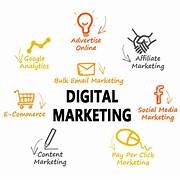
Search Engine Optimization (SEO):
Optimizing websites to rank higher on search engines like Google, improving organic visibility and traffic. -
Content Marketing:
Creating valuable blogs, articles, videos, infographics, and guides to educate and engage the audience while building brand authority. -
Social Media Marketing (SMM):
Leveraging platforms like Instagram, Facebook, LinkedIn, and Twitter to connect with customers, increase brand awareness, and run paid campaigns. -
Email Marketing:
Sending personalized emails and newsletters to nurture leads, announce offers, and maintain long-term customer relationships. -
Pay-Per-Click (PPC) Advertising:
Running paid ads on Google Ads, Facebook, or Instagram to reach specific audiences instantly and generate leads. -
Affiliate & Influencer Marketing:
Collaborating with affiliates and influencers to promote products and tap into their loyal audience base. -
Analytics & Data-Driven Marketing:
Using tools like Google Analytics and social media insights to measure campaign success and optimize strategies.
Why Digital Marketing Matters Today
-
Global Reach: Businesses of any size can reach customers worldwide.
-
Cost-Effectiveness: More affordable compared to traditional advertising methods.
-
Targeted Campaigns: Reach the right audience based on interests, demographics, and behavior.
-
Measurable Results: Real-time tracking of ROI (Return on Investment).
-
Customer Engagement: Direct two-way communication with customers builds trust and loyalty.
The Future of Digital Marketing
With the rise of AI, voice search, chatbots, and personalized experiences, digital marketing continues to evolve rapidly. Brands that adapt early to these changes will stay ahead in the competitive landscape.
Technologies like video marketing, AR/VR experiences, influencer collaborations, and data-driven personalization are shaping the next generation of customer engagement.
✨ Conclusion:
Digital marketing is no longer optional—it’s essential. Whether you’re a small startup or an established enterprise, building a strong online presence through digital marketing ensures growth, brand visibility, and long-term success in today’s digital-first world.